Frame rate is one of those technical decisions that lives quietly behind every piece of video content — invisible when it's right, jarring when it's wrong. Whether you're commissioning a brand film, planning a product launch video, or briefing a production team for the first time, understanding what 24fps, 30fps and 60fps actually mean (and feel like) will make you a sharper, more confident creative collaborator.
This isn't a lesson in camera manuals. It's a practical guide to how frame rates shape perception, storytelling and audience emotion — and how to choose the right one for the job.
What a frame rate actually is
Every video is a sequence of still images played back fast enough to create the illusion of motion. The frame rate is simply how many of those images appear per second — frames per second, or fps.
The human visual system begins to perceive smooth motion somewhere around 12–16 fps. Below that, we see individual images. Above it, motion feels continuous. But "smooth" isn't the same as "cinematic" — and that distinction is where the real creative decision lives.
Different frame rates carry different psychological weight. They've been shaped by decades of film, television and digital culture to feel a certain way. Choosing the wrong one for your content is a bit like choosing the wrong lens: technically functional, but emotionally off.
24fps: the language of cinema
Twenty-four frames per second has been the standard for theatrical film since the late 1920s. It wasn't chosen for aesthetic reasons initially — it was the minimum speed at which early sound-on-film technology could reliably sync audio. But over a century of cinema, 24fps became something more than a technical spec. It became a feeling.
The slight motion blur and the gentle cadence of 24fps tell an audience's brain: this is a story. It creates psychological distance from reality, which is exactly what narrative cinema needs. When something looks "cinematic," 24fps is usually a significant part of why.
When to choose 24fps:
- Brand films and corporate storytelling where emotional depth matters
- Narrative or documentary content
- Fashion, luxury and lifestyle videos
- Interview-led content where gravitas is important
- Any project where you want the viewer to feel they're watching something crafted, not captured
30fps: the workhorse of broadcast and digital
Thirty frames per second (technically 29.97fps in broadcast standards) emerged from the requirements of analogue television in North America, then spread globally as a digital video standard. It's smoother than 24fps, slightly more immediate-feeling, and sits comfortably in the middle ground between the cinematic and the documentary.
For a long time, 30fps was simply "what video looked like." The slightly higher frame count gives it a crispness that reads as live, present-tense, and real. It lacks the dreamlike quality of 24fps, but that's often an advantage.
When to choose 30fps:
- Corporate event coverage and live recordings
- Social media content, especially for platforms like Instagram and Facebook
- News-style or current-affairs video
- Product explainers and tutorial content
- Interviews where you want energy and immediacy rather than gravitas
- Content that will be watched primarily on mobile or laptop screens
It's also worth noting that 30fps is a common middle point for hybrid projects. If you're shooting content that needs to work both as a polished brand asset and as raw social material, 30fps gives you more flexibility in the edit than 24fps, particularly for cutting music-driven content.
60fps: clarity, sports and slow motion
Sixty frames per second is where technical fidelity takes over from aesthetic convention. At 60fps, motion is exceptionally smooth — almost hyper-real. There's no cinematic blur, no temporal softness. Everything is sharp, immediate and present.
That hyper-clarity is both 60fps's greatest strength and its most common misuse. Content shot entirely at 60fps and played back at 60fps can feel almost too smooth — a phenomenon sometimes called the "soap opera effect," familiar to anyone who's accidentally turned on motion smoothing on a television. For narrative content, this is generally undesirable. But for specific use cases, 60fps is the right tool.
When to choose 60fps:
- Sports, action and events with fast movement
- Gaming content and esports production
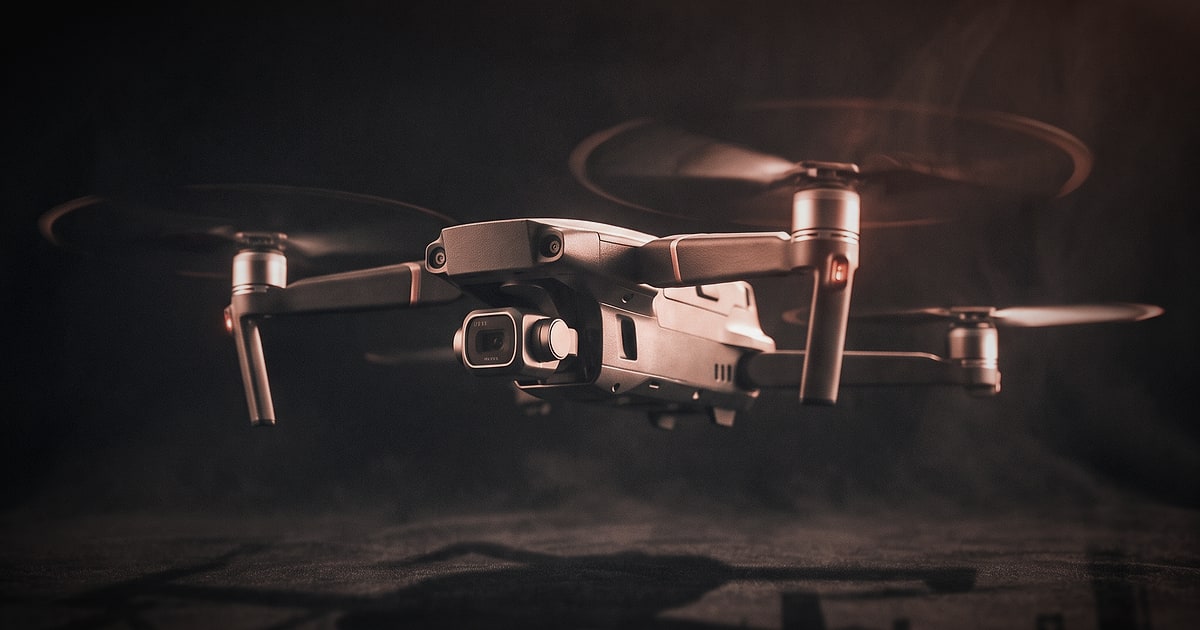
- Drone footage over dynamic environments (it handles motion far better)
- Product demos requiring absolute visual clarity
- Any footage you intend to slow down in post-production
Mixed frame rates: a practical workflow
Most professional productions don't commit to a single frame rate throughout. The project timeline might be set at 24fps, but specific cutaway shots — product close-ups, action moments, drone sweeps — are captured at 60fps to allow for slow motion in the edit. Understanding this workflow helps you brief a production team more precisely.
A few useful rules of thumb:
- Set your sequence frame rate first. The edit timeline drives everything. If the deliverable is 24fps, everything else serves that.
- Shoot b-roll at higher frame rates when you want flexibility. You can always play 60fps footage at normal speed in a 24fps timeline; it simply gets resampled.
- Match frame rates for talking-head interviews. Cutting between a 24fps interview and 30fps b-roll creates a subtle visual inconsistency most viewers won't name but will feel.
- Confirm delivery specs early. Broadcast, streaming platforms and social media all have their own preferences. Knowing the final destination before you shoot saves significant headaches in post.
Frame rate and platform: what the data tells us
Platform behaviour shapes the right choice more than many creators realise. Here's how the major contexts break down:
- Cinema and streaming originals overwhelmingly use 24fps for narrative content
- YouTube supports all frame rates natively; 30fps is the most common for creator content, though cinematic productions often choose 24fps
- Instagram Reels and TikTok handle 30fps best; 24fps works but can appear to stutter on some devices due to display refresh rate conflicts
- LinkedIn video skews corporate; 30fps is standard and appropriate
- Broadcast television in Europe uses 25fps (tied to the 50Hz PAL system) — an important local consideration often overlooked by international teams
How to brief your production team
Knowing what you want emotionally is often more useful than knowing the specific number. When briefing TNG or any production partner, consider framing the conversation around:
- Tone: Do you want the viewer to feel immersed in a story, or informed by a report?
- Platform: Where will this primarily live — cinema, broadcast, social, web?
- Motion: Is there significant fast movement in the content (sports, events, machinery)?
- Post-production intent: Do you want slow-motion options in the edit?
The frame rate you don't notice is the one that's working
The best frame rate choice is the one your audience never thinks about. When a brand film feels emotionally resonant, when a product video feels sleek and clear, when an event highlight reel feels energetic — the frame rate is doing its job silently, shaping perception without drawing attention to itself.
That's the craft of it. And like most craft decisions in video production, it rewards the teams who understand not just the numbers, but what those numbers feel like to a human eye in a darkened room, or on a phone screen on a Tuesday morning commute.
Getting it right from the start means fewer corrections in post, better creative alignment across the team, and — ultimately — content that lands the way it was intended to.